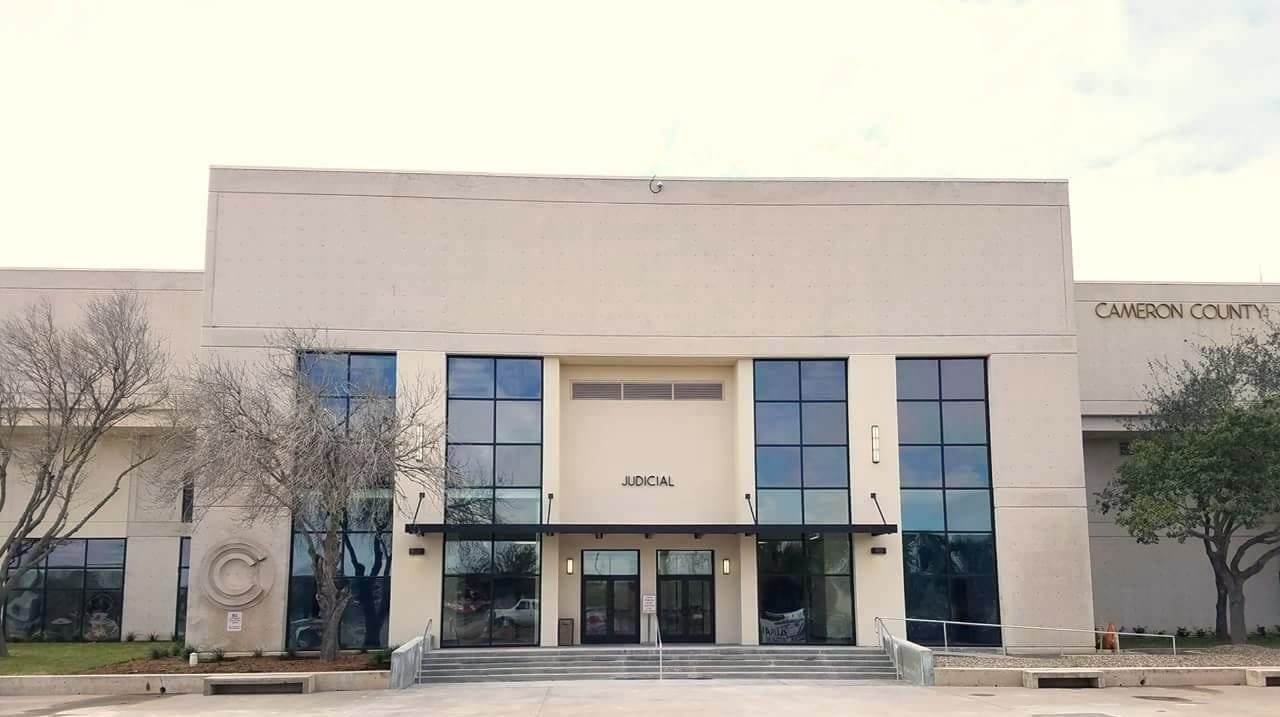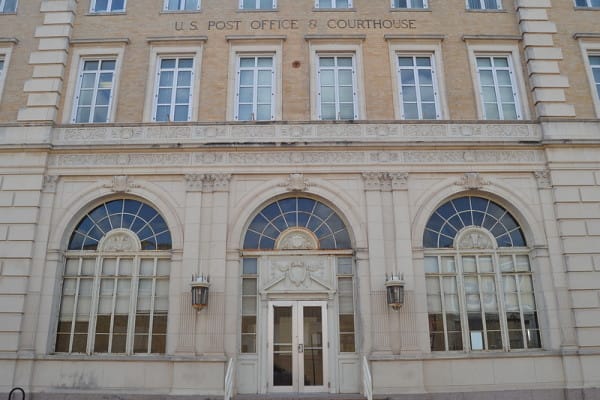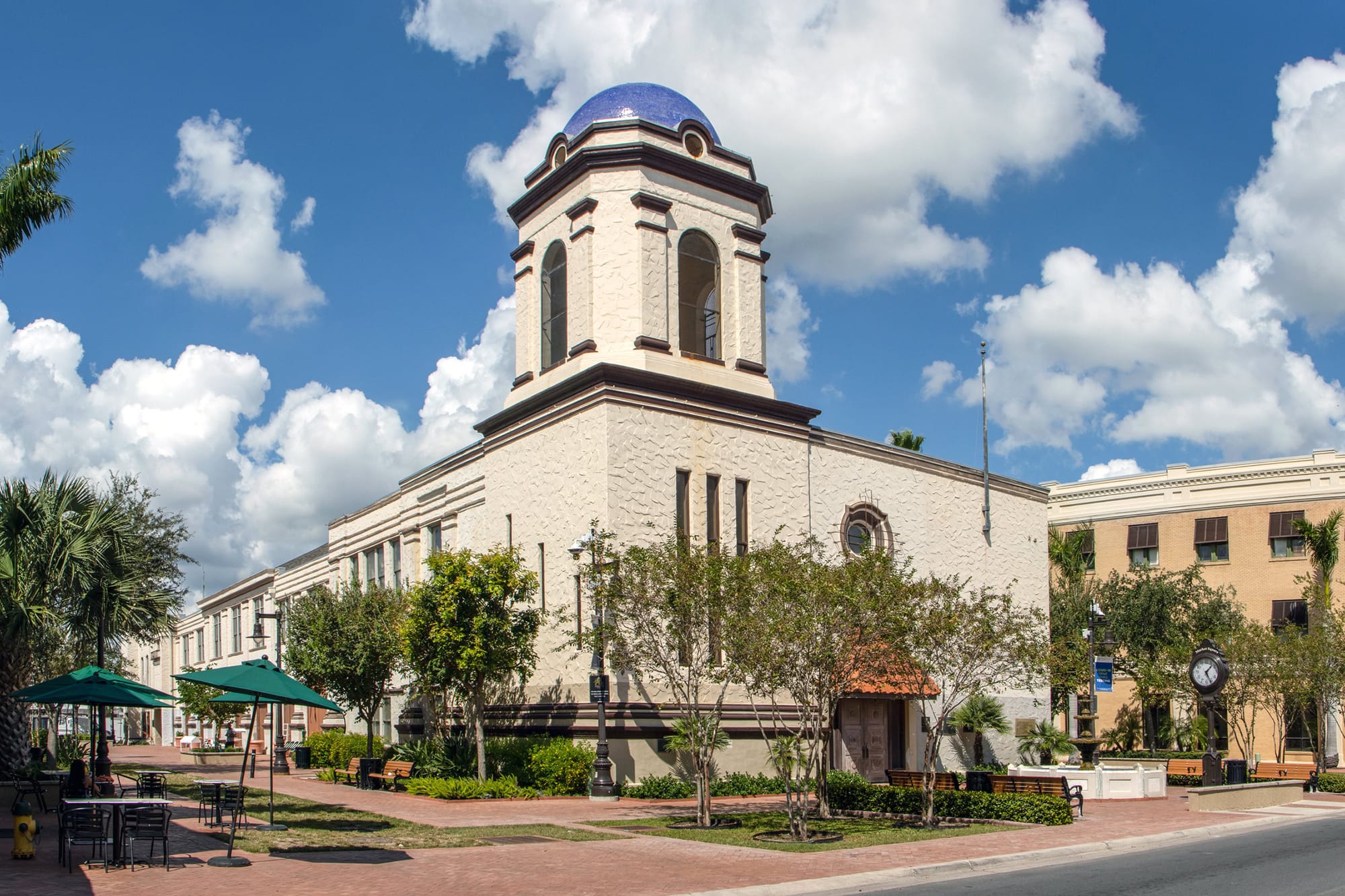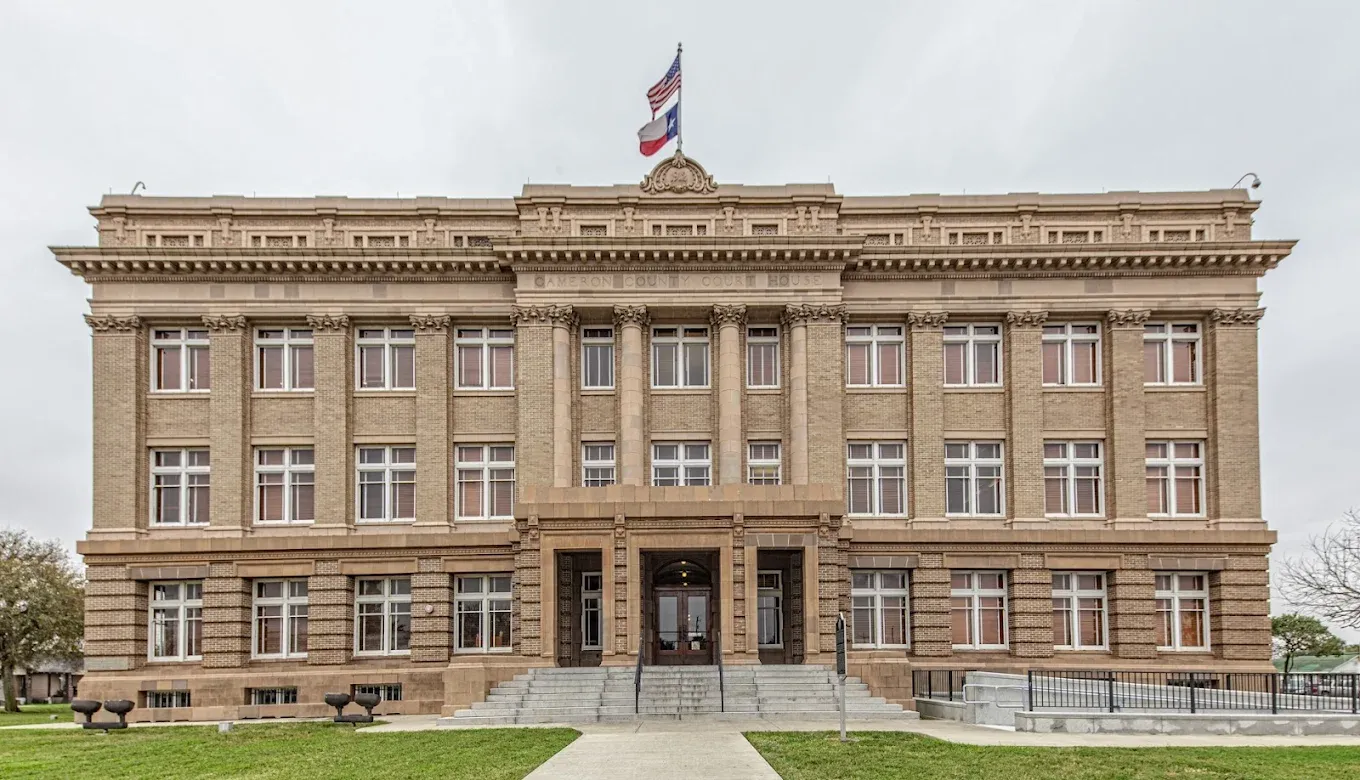
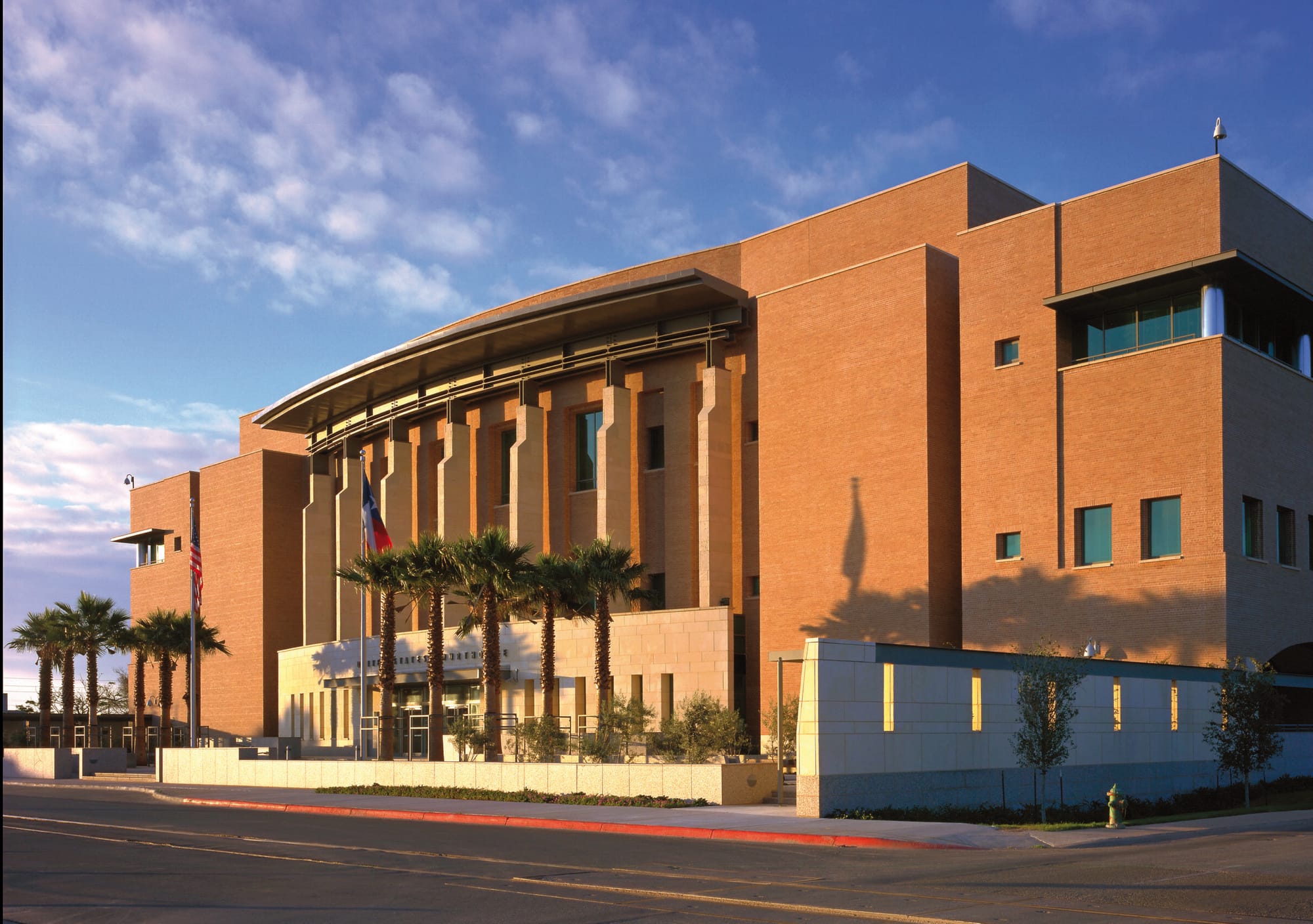
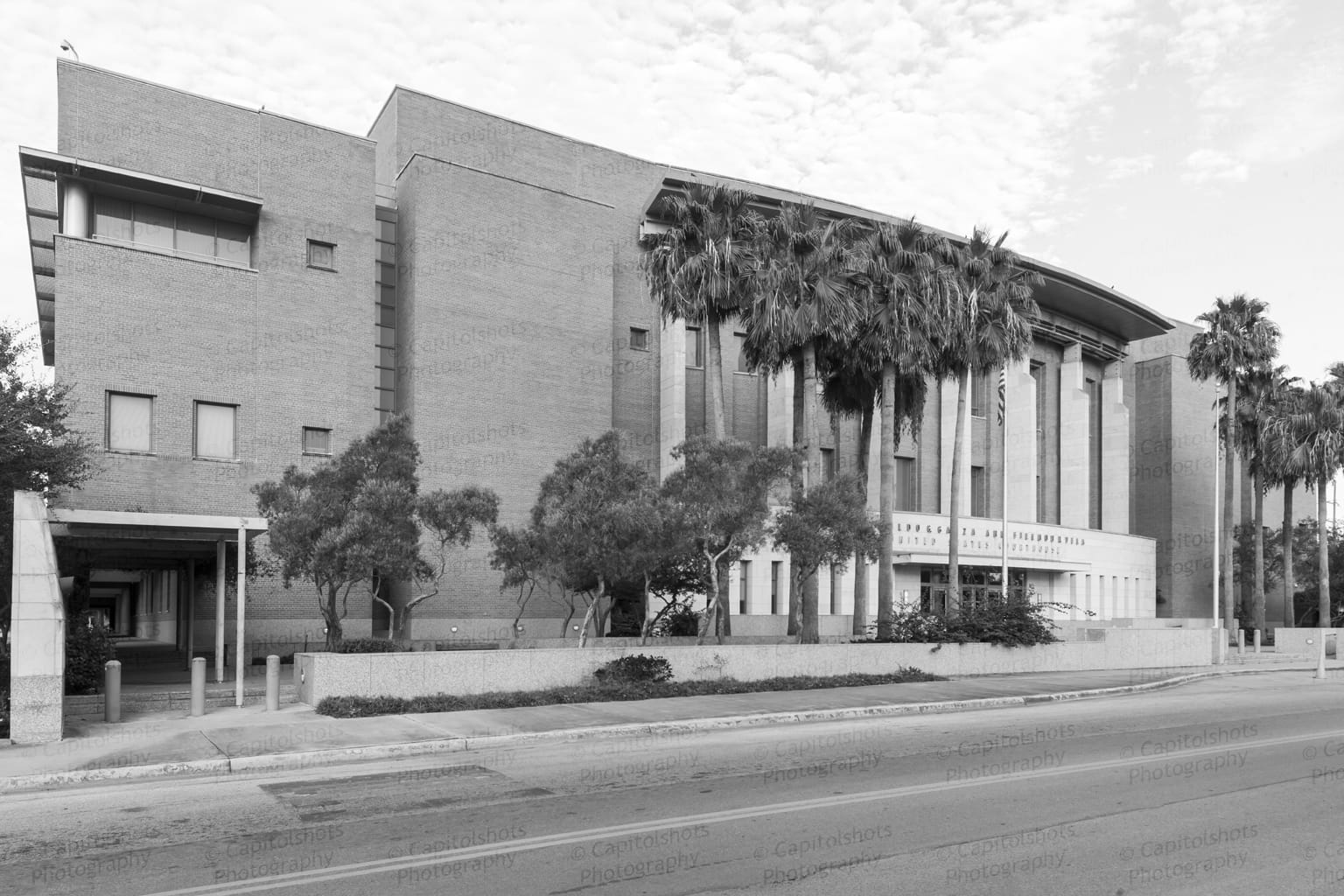
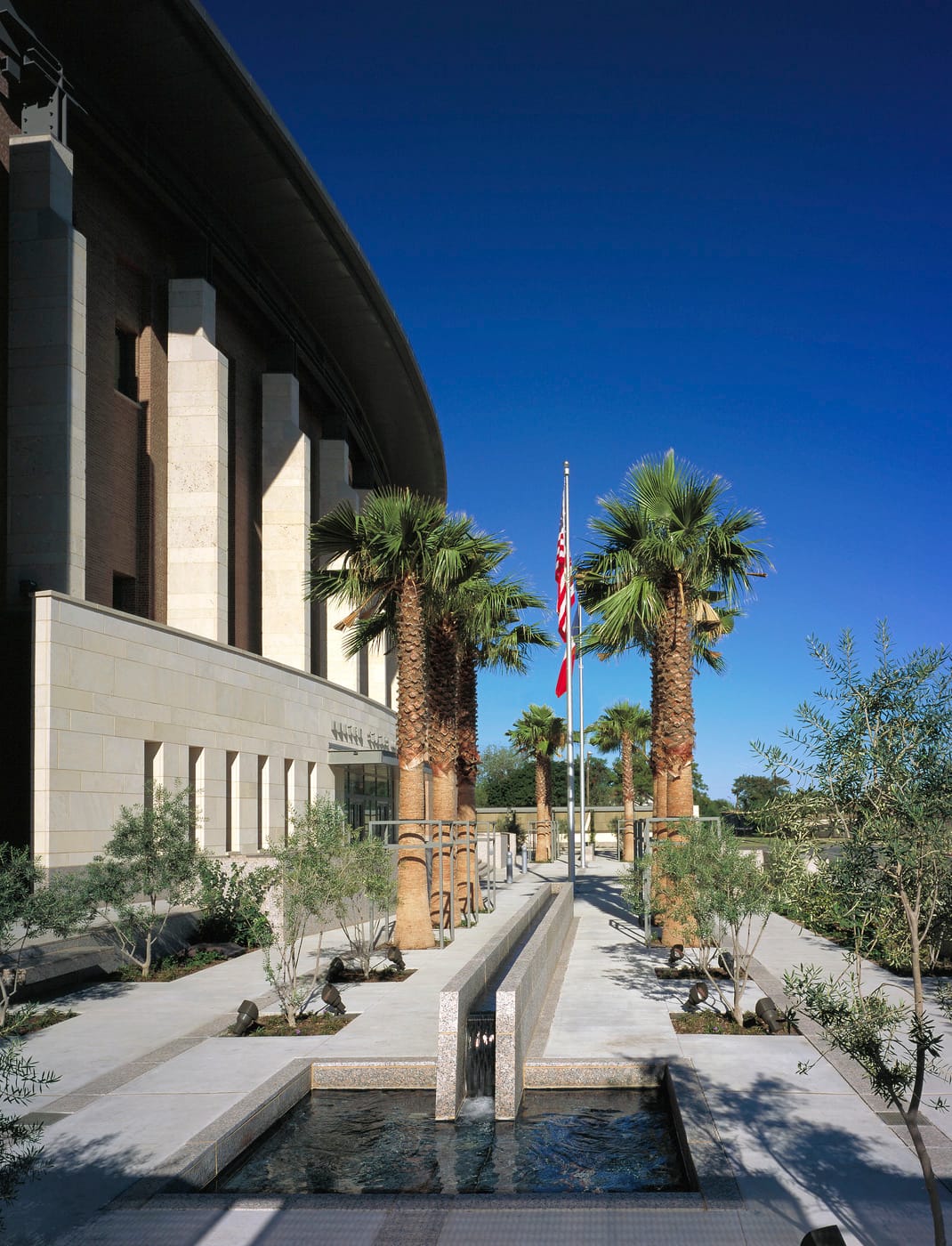
The Reynaldo G. Garza–Filemon B. Vela United States Courthouse is the federal courthouse serving the Brownsville Division of the Southern District of Texas and one of the most significant civic institutions in downtown Brownsville. Located on East Harrison Street, the courthouse anchors an important part of the Mitte Cultural District’s government and civic corridor, standing near county, municipal, and historic public buildings.
The courthouse is named in honor of Judges Reynaldo G. Garza and Filemon B. Vela, two influential jurists whose careers helped shape the legal history of the region. Their names connect the building to a broader story of representation, public service, and the role of South Texas within the federal court system.
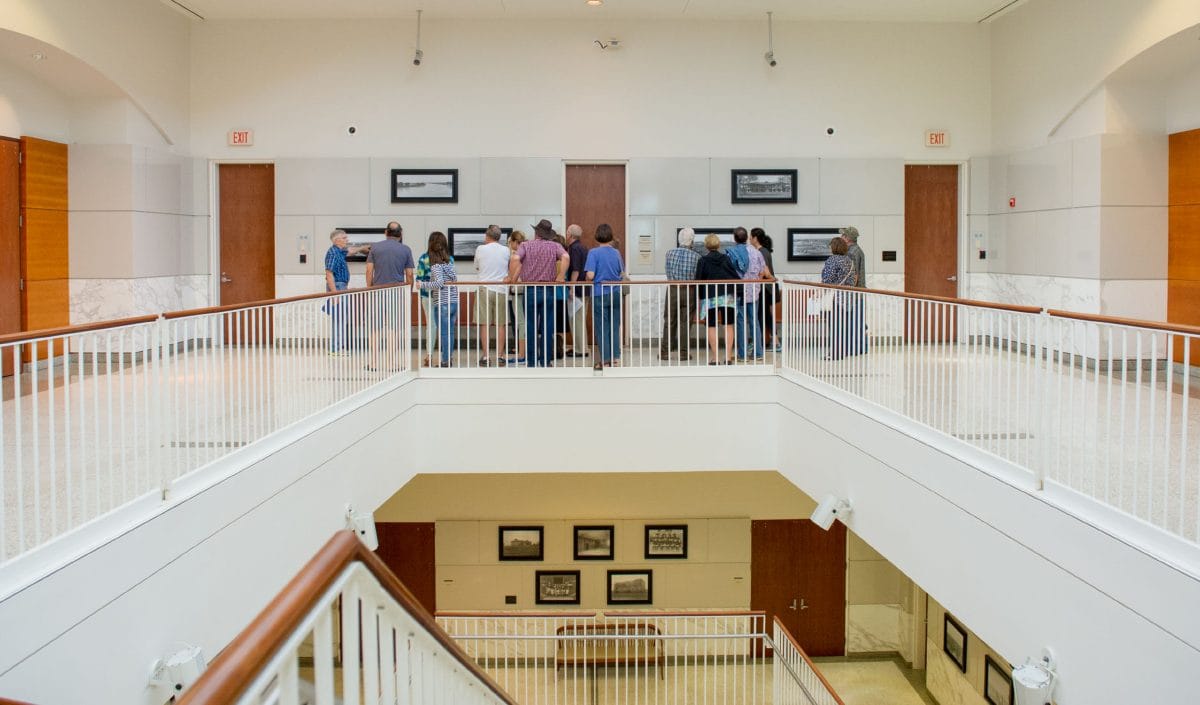
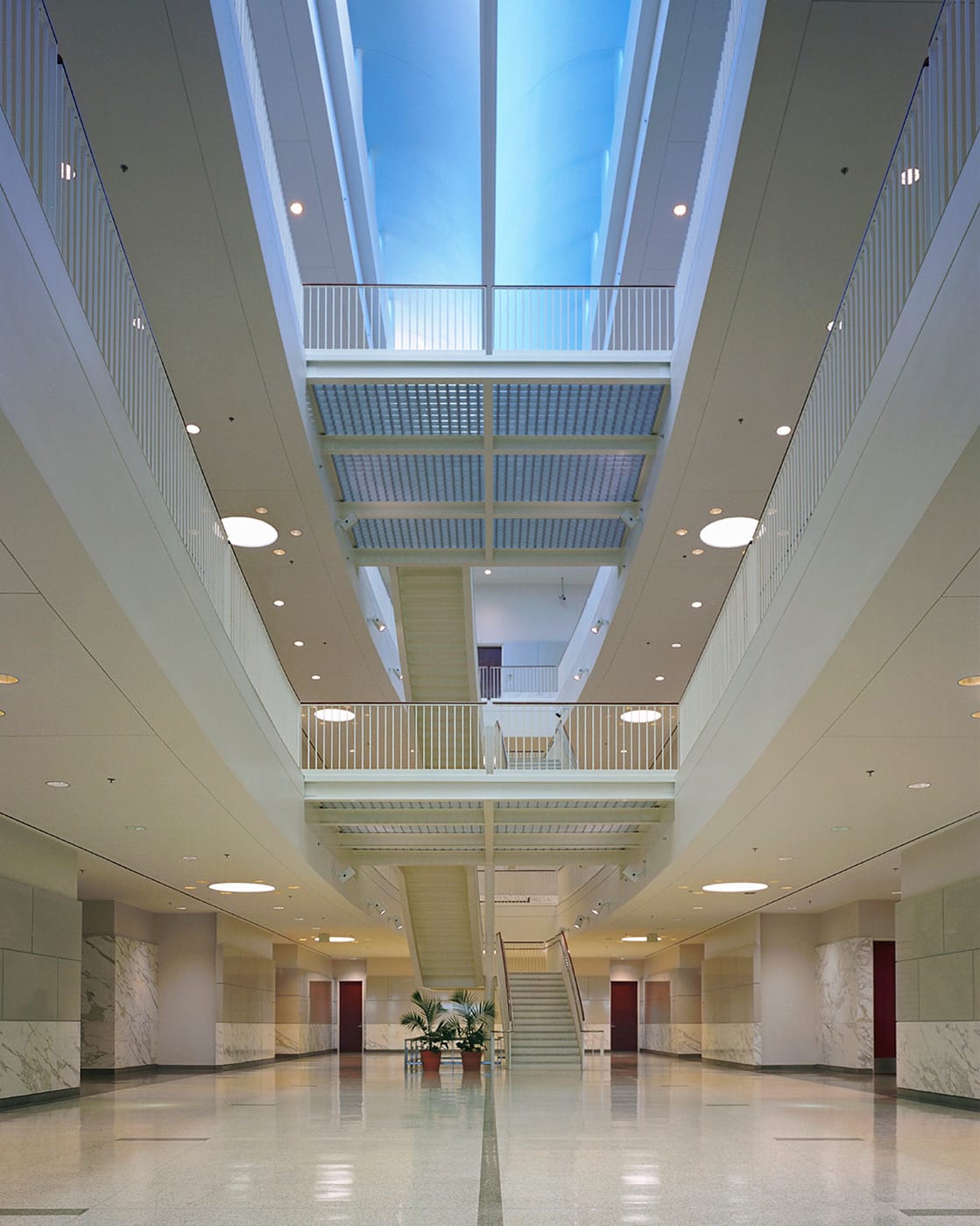
In many ways, the courthouse functions like a quiet museum within a working civic space. Its interior corridors feature visual pieces that tell stories of place, history, law, culture, and community. These displays add depth to the visitor experience, turning a walk through the building into an opportunity to encounter art and historical materials connected to the region’s identity.
For newcomers exploring the Mitte Cultural District, the Federal Courthouse offers more than its role as a place of law. It stands as a public landmark where architecture, civic life, regional history, and artistic expression come together. Alongside the district’s galleries, studios, historic buildings, and cultural institutions, the courthouse contributes to the idea that art and history can be found throughout Brownsville — sometimes in the most unexpected public spaces.
The Runyon Photographs
Inside the Reynaldo G. Garza–Filemon B. Vela United States Courthouse, visitors can encounter a remarkable visual record of Brownsville and the Rio Grande Valley through the photography of Robert Runyon. The photographs displayed throughout the courthouse’s three floors are part of a larger collection of approximately 8,000 images taken by Runyon, now owned by the University of Texas at Austin.
Runyon was born in Kentucky in 1881 and first became familiar with the Rio Grande Valley while selling concessions to railway passengers traveling between Houston and Brownsville. He eventually settled in Brownsville and began documenting the region through photography in 1909. His early work included portraits of soldiers stationed at Fort Brown, which he sold back to them as postcards they could mail to family and friends.
Over time, Runyon’s camera captured an extraordinary range of local history. His black-and-white photographs documented Brownsville’s horse-and-carriage-lined streets, hurricane damage, military parades, civic celebrations, the Onion Festival court, and major moments connected to the Mexican Revolution. In 1915, he photographed Villistas who attacked Matamoros, and in 1920 he captured President-elect Warren G. Harding during a visit to Brownsville.
Runyon later became a civic leader in his own right, serving as Brownsville city manager in 1937 and mayor in 1941. Today, his photographs offer more than decoration for the courthouse walls; they create a museum-like experience inside an active federal building. Thanks in part to the efforts of U.S. District Judge Andrew S. Hanen, these historic images are displayed where the public can experience them as part of the courthouse’s larger story of law, history, culture, and place.